
What Is the Recovery Timeline After Dental Implant Surgery?
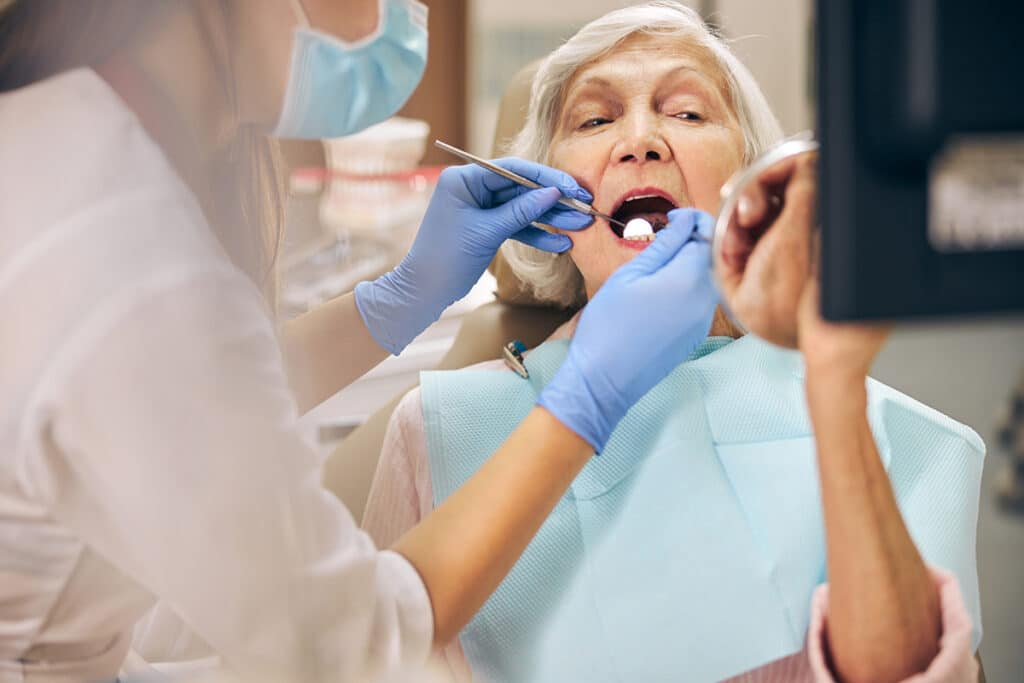
Dental implants are one of the most reliable and natural-looking ways to replace missing teeth. They restore the appearance of your smile while also helping you chew comfortably, maintain jawbone health, and support long-term oral function. If you are considering dental implants, one of the most common questions is how long recovery takes after the procedure.
The recovery timeline after dental implant surgery can vary from person to person. Factors such as overall health, the number of implants placed, whether bone grafting is needed, and how well post-operative instructions are followed can all affect healing. Understanding each stage of recovery can help you feel more prepared and confident throughout the process.
What Happens Immediately After Dental Implant Surgery?
The first 24 to 72 hours after dental implant surgery are typically focused on initial healing. During this time, it is normal to experience mild swelling, tenderness, bruising, and minor bleeding around the surgical site. Most patients find that these symptoms improve significantly within the first few days.
Your dentist may recommend using ice packs, taking prescribed or over-the-counter medications as directed, and sticking to soft foods during this period. Foods such as yogurt, smoothies, soup, mashed potatoes, and scrambled eggs can help you stay comfortable while avoiding unnecessary pressure on the implant area.
Rest is also important during the first few days. Limiting strenuous activity allows your body to focus its energy on healing and can help reduce swelling and discomfort. Many patients are able to return to work and normal daily activities within a day or two, depending on the complexity of the procedure.
The First Few Weeks of Healing
After the initial recovery period, the soft tissues around the implant begin to heal more noticeably. Most swelling and tenderness are greatly reduced within one to two weeks. During this stage, it is important to continue following your dentist's instructions regarding oral hygiene and diet.
Keeping the implant area clean helps lower the risk of infection and supports healthy healing. Gentle brushing and any recommended rinses should be used consistently. Patients should also avoid smoking, as tobacco use can significantly slow healing and affect implant success rates.
Follow-up appointments are often scheduled during this period so your dental team can monitor healing progress. These visits help ensure the implant site is recovering properly and allow any concerns to be addressed early.
Although many patients feel normal again after a few weeks, healing beneath the surface is still taking place. The implant must bond with the jawbone through a process known as osseointegration, which is critical for long-term success.
Osseointegration: The Most Important Phase
Osseointegration is the stage where the implant post gradually fuses with the surrounding jawbone. This process creates a stable foundation that functions similarly to a natural tooth root. While you may not notice any changes during this stage, it is one of the most important parts of dental implant treatment.
For many patients, osseointegration takes approximately 3 to 6 months. During this time, the jawbone grows around the implant, creating the strength needed to support the final restoration. Healing times can vary based on factors such as bone density, overall health, and whether additional procedures were performed.
Patients who required a bone graft before implant placement may experience a longer overall treatment timeline. Bone grafting helps create enough support for the implant when jawbone density has been reduced due to tooth loss. While this can add additional healing time, it often plays an important role in achieving long-term implant stability.
Throughout this phase, routine dental visits help ensure everything is progressing as expected. Your dental team can evaluate healing and determine when it is appropriate to move forward with the next stage of treatment.
Receiving the Final Restoration
Once the implant has successfully integrated with the jawbone, the final restoration can be placed. Depending on your treatment plan, this may involve a dental crown, bridge, denture, or an All-On-X restoration. Fort Collins Dental Center offers both single-tooth implants and All-On-X implant solutions for patients with varying tooth replacement needs.
Before the final restoration is attached, an abutment may be placed to connect the implant and replacement tooth. The surrounding tissue is given time to heal around this connector before the final restoration is secured.
When the restoration is complete, patients often notice significant improvements in comfort, chewing ability, and confidence. Unlike removable tooth replacement options, implants provide a secure foundation that allows patients to eat a wider variety of foods and enjoy a more natural feel.
Most patients find that adjusting to their final restoration is relatively easy. Within a short period, the implant-supported tooth becomes a natural part of everyday life.
Factors That Can Affect Recovery Time
Every patient's recovery timeline is unique. Several factors can influence how quickly healing occurs after dental implant surgery.
Overall health plays an important role. Conditions that affect the body's healing response may extend recovery times. Maintaining good nutrition, staying hydrated, and following all post-operative instructions can help support efficient healing.
The location and number of implants can also affect recovery. A single implant may heal more quickly than a full-arch restoration involving multiple implants. Patients receiving All-On-X treatment may have a different recovery experience based on the complexity of their procedure.
Oral hygiene is another critical factor. Keeping the implant site clean helps prevent complications and supports successful integration with the jawbone. Regular dental visits and professional cleanings remain important throughout the recovery process.
Smoking is one of the most significant risk factors for delayed healing and implant complications. Patients who smoke should discuss strategies for reducing or quitting tobacco use before treatment to help improve outcomes.
Long-Term Care After Recovery
Even after the implant has fully healed, ongoing care remains essential. Dental implants are designed to be durable and long-lasting, but they still require proper maintenance.
Brushing twice daily, flossing regularly, and attending routine dental checkups help protect both the implant and surrounding tissues. Healthy gums and good oral hygiene contribute significantly to the long-term success of implant treatment.
One of the major advantages of implants is their ability to support jawbone health. When a tooth is missing, the jawbone can begin to deteriorate over time. Dental implants help provide the stimulation needed to preserve bone mass and maintain facial structure.
Patients who invest in proper care often enjoy the benefits of their dental implants for many years. Maintaining regular communication with your dental team ensures any concerns are addressed promptly and helps protect your investment in your oral health.
Take the Next Step Toward Restoring Your Smile
The recovery timeline after dental implant surgery involves several stages, from initial healing and soft tissue recovery to the months-long process of osseointegration. While every patient's experience is unique, understanding what to expect can make the journey feel much more manageable. With proper care and guidance, dental implants can provide a stable, natural-looking solution for missing teeth that supports both oral health and confidence for years to come.
Frequently Asked Questions About Dental Implants
How painful is dental implant recovery?
Most patients experience mild to moderate discomfort during the first few days after surgery. Symptoms are often manageable with recommended medications, ice packs, and rest. Many patients report that recovery is easier than they expected.
How long does swelling last after dental implant surgery?
Swelling is typically most noticeable during the first 48 to 72 hours after surgery. Most swelling improves significantly within one week and continues to decrease as healing progresses.
When can I eat normally after getting a dental implant?
Patients usually begin with soft foods immediately after surgery and gradually return to their normal diet as healing allows. Your dentist will provide personalized guidance based on your specific procedure and recovery progress.
Can I return to work after dental implant surgery?
Many patients return to work within 1 to 2 days following implant placement. Recovery time may vary depending on the complexity of the procedure and the physical demands of your job.
How do I know if my dental implant is healing properly?
Regular follow-up appointments allow your dentist to monitor healing and confirm successful integration with the jawbone. If you experience persistent pain, excessive swelling, or other unusual symptoms, you should contact your dental office promptly.
At Fort Collins Dental Center, we are committed to helping patients restore their smiles with advanced, personalized dental care. Our experienced team provides comprehensive implant solutions designed to improve comfort, function, and long-term oral health. We take pride in offering modern technology and compassionate care to help every patient feel confident throughout their treatment journey. Contact us today to schedule a consultation.