
Can Dental Implants Fail? Signs, Causes, and How to Prevent Implant Failure
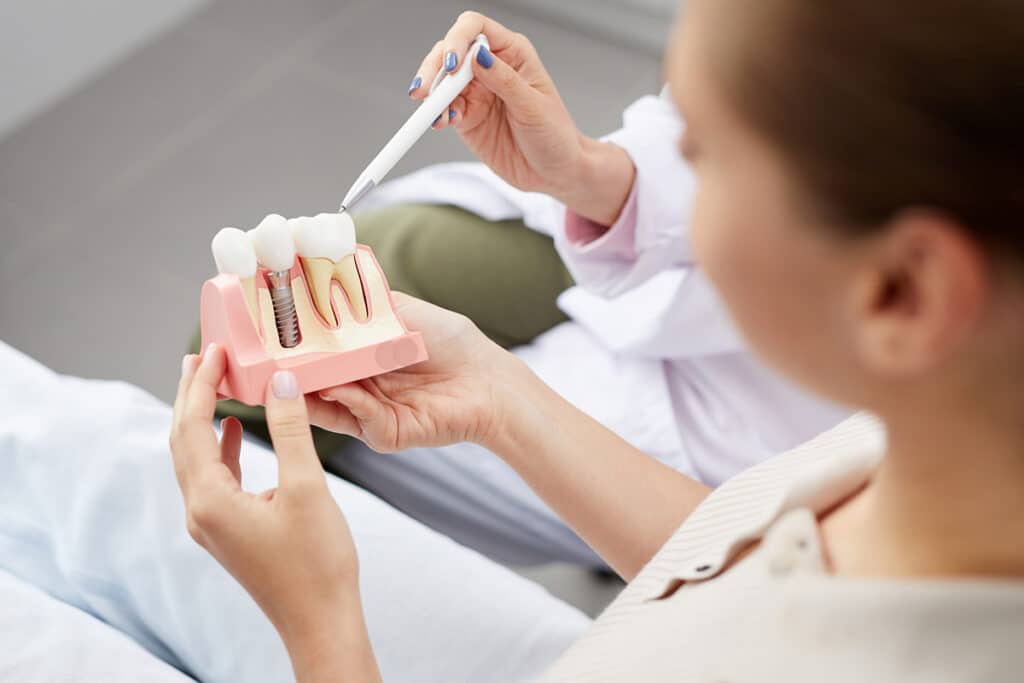
Dental implants are widely considered one of the most successful and long-lasting solutions for replacing missing teeth. They are designed to look, feel, and function like natural teeth while helping preserve jawbone health and overall oral function. Although dental implants have a very high success rate, patients often wonder whether implant failure is possible.
The short answer is yes, dental implants can fail in certain situations. Fortunately, implant failure is relatively uncommon, and many of the factors that contribute to complications can be identified and addressed early. Understanding the warning signs, causes, and prevention strategies can help patients protect their investment and enjoy long-term success with their dental implants.
What Is Dental Implant Failure?
Dental implant failure occurs when the implant does not properly integrate with the jawbone or loses stability after initially healing successfully. Failure may occur shortly after placement or years later, depending on the underlying cause.
Early implant failure typically happens during the healing process before the implant fully fuses with the surrounding bone. This stage is known as osseointegration, and it is essential for creating a stable foundation for the replacement tooth. If osseointegration does not occur properly, the implant may become loose or fail to support the final restoration.
Late implant failure occurs after the implant has been functioning successfully for months or even years. In these cases, factors such as infection, excessive bite forces, or changes in oral health may contribute to complications.
While the possibility of failure can sound concerning, it is important to remember that dental implants remain one of the most predictable and successful treatments in modern dentistry when placed and maintained properly.
Signs That a Dental Implant May Be Failing
Recognizing potential warning signs early can help prevent more serious complications. Patients should contact their dental provider if they notice any unusual symptoms around an implant.
One of the most common signs of implant failure is persistent pain. Some discomfort is expected during the initial healing process, but pain that continues long after surgery or suddenly develops around a previously successful implant may indicate a problem.
Mobility is another warning sign. A healthy implant should feel secure and stable. If an implant begins to feel loose or shifts when chewing, it should be evaluated as soon as possible.
Swelling, redness, or bleeding around the implant site may also indicate infection or inflammation. In some cases, patients may notice gum recession that exposes portions of the implant or creates changes in appearance.
Difficulty chewing, discomfort when biting, or changes in how the implant-supported restoration fits can also signal underlying issues that require professional evaluation.
Common Causes of Dental Implant Failure
Several factors can contribute to implant complications. Understanding these causes helps patients take steps to reduce their risk.
One of the leading causes of implant failure is peri-implantitis. This condition is similar to gum disease and involves inflammation and infection of the tissues surrounding the implant. If left untreated, peri-implantitis can damage supporting bone and compromise implant stability.
Poor oral hygiene can increase the risk of peri-implantitis and other complications. Although implants cannot develop cavities, the gums and supporting structures around them still require proper care.
Smoking is another significant risk factor. Tobacco use reduces blood flow, slows healing, and increases the likelihood of infection. Patients who smoke generally face a greater risk of implant complications than non-smokers.
Insufficient bone density may also affect implant success. The jawbone must be strong enough to support the implant and allow proper integration. In some cases, bone grafting may be recommended before implant placement to create a more stable foundation.
Certain medical conditions, medications, and uncontrolled systemic diseases may impact healing and bone health. Patients should discuss their complete medical history with their dental team before treatment.
Excessive grinding or clenching of the teeth can place additional stress on implants and surrounding structures. Over time, these forces may contribute to complications if not properly managed.
How Dental Implant Failure Is Treated
The treatment approach depends on the cause and severity of the problem. In many cases, early intervention can help preserve the implant and surrounding tissues.
If inflammation or infection is detected early, professional cleaning and targeted treatment may help stop the progression of peri-implantitis. Improved oral hygiene practices and ongoing maintenance can often play an important role in managing the condition.
If an implant becomes loose due to failed osseointegration or significant bone loss, removal may be necessary. While this can be disappointing for patients, it does not always mean implants are no longer an option.
After appropriate healing and treatment, many patients can successfully receive a replacement implant. Additional procedures such as bone grafting may be recommended to improve long-term stability before placing a new implant.
Fort Collins Dental Center offers dental implant solutions, including single-tooth implants and All-On-X implant restorations, providing patients with options for replacing missing teeth and restoring oral function.
How to Prevent Dental Implant Failure
Although no dental procedure can guarantee a 100% success rate, there are several steps patients can take to significantly reduce their risk of implant complications.
Choosing an experienced dental provider is one of the most important factors. Proper treatment planning, careful implant placement, and thorough evaluation of oral health all contribute to successful outcomes.
Maintaining excellent oral hygiene is essential. Daily brushing, flossing, and regular professional cleanings help keep the gums healthy and reduce the risk of infection around implants.
Routine dental visits allow potential problems to be identified before they become more serious. Professional monitoring helps ensure the implant, restoration, and surrounding tissues remain healthy over time.
Patients who smoke should strongly consider quitting or reducing tobacco use before and after treatment. Smoking cessation can improve healing and support long-term implant success.
Protecting implants from excessive bite forces is also important. Patients who grind or clench their teeth may benefit from a custom nightguard to reduce stress on their restorations.
Following all post-operative instructions carefully during the healing period helps create the best possible environment for successful osseointegration.
The Long-Term Outlook for Dental Implants
One of the reasons dental implants remain such a popular tooth replacement option is their exceptional long-term success rate. When properly placed and maintained, implants can provide decades of reliable function and support.
Many patients enjoy improved comfort, stronger chewing ability, and increased confidence after implant treatment. Because implants integrate directly with the jawbone, they also help preserve bone structure and support overall oral health.
Even though implant failure is possible, it remains relatively uncommon. Most complications can be prevented through good oral hygiene, healthy lifestyle habits, regular dental care, and prompt attention to any warning signs.
Protecting Your Investment in Your Smile
Dental implants offer a durable and highly successful solution for replacing missing teeth, but long-term success requires ongoing care and attention. Understanding the signs of implant failure, knowing the potential causes, and following preventive recommendations can help protect your oral health for years to come. Working closely with your dental team and maintaining regular checkups are some of the best ways to ensure your dental implants continue to function comfortably and effectively.
Frequently Asked Questions About Dental Implants
How common is dental implant failure?
Dental implant failure is relatively uncommon. Most studies report success rates above 90%, particularly when patients maintain good oral hygiene and follow their provider's recommendations.
Can a failed dental implant be replaced?
In many cases, yes. After the area heals and any underlying issues are addressed, a replacement implant may be placed successfully.
What is peri-implantitis?
Peri-implantitis is an inflammatory condition that affects the gums and bone surrounding a dental implant. If left untreated, it can lead to bone loss and implant failure.
Can smoking cause dental implant failure?
Yes. Smoking can slow healing, reduce blood flow, increase infection risk, and negatively impact the implant's ability to integrate with the jawbone.
How can I make my dental implants last longer?
Maintain excellent oral hygiene, attend regular dental visits, avoid tobacco products, and follow your dentist's recommendations for long-term implant care.
At Fort Collins Dental Center, we are committed to helping patients restore healthy, confident smiles through comprehensive dental care. Our team provides advanced tooth replacement solutions and personalized treatment plans designed to support long-term oral health. We take pride in helping patients achieve lasting results in a comfortable and welcoming environment. Contact us today to learn more and schedule a consultation.