
Single Tooth Implant Cost vs. Bridge Cost: Which Is More Cost-Effective?
We know that losing a tooth raises plenty of questions, and cost is often the first one. You want a smile that looks good and lasts, but you also want a choice that fits your budget. Two of the most common ways to replace a single missing tooth are a dental implant and a dental bridge. Each has its own price tag, its own timeline, and its own long-term story.
We want you to feel informed before you make a decision, so we put both options side by side. In this guide, we will walk through upfront cost, long-term value, durability, maintenance, and who makes a good candidate for each. No pressure, just clear information you can trust.
Comparing the Upfront Cost
Let's start with the number most people notice first. A dental bridge usually costs less at the beginning. A traditional bridge involves a false tooth held in place by crowns on the two teeth beside the gap. Because the process is simpler and faster, the initial price tends to be lower.
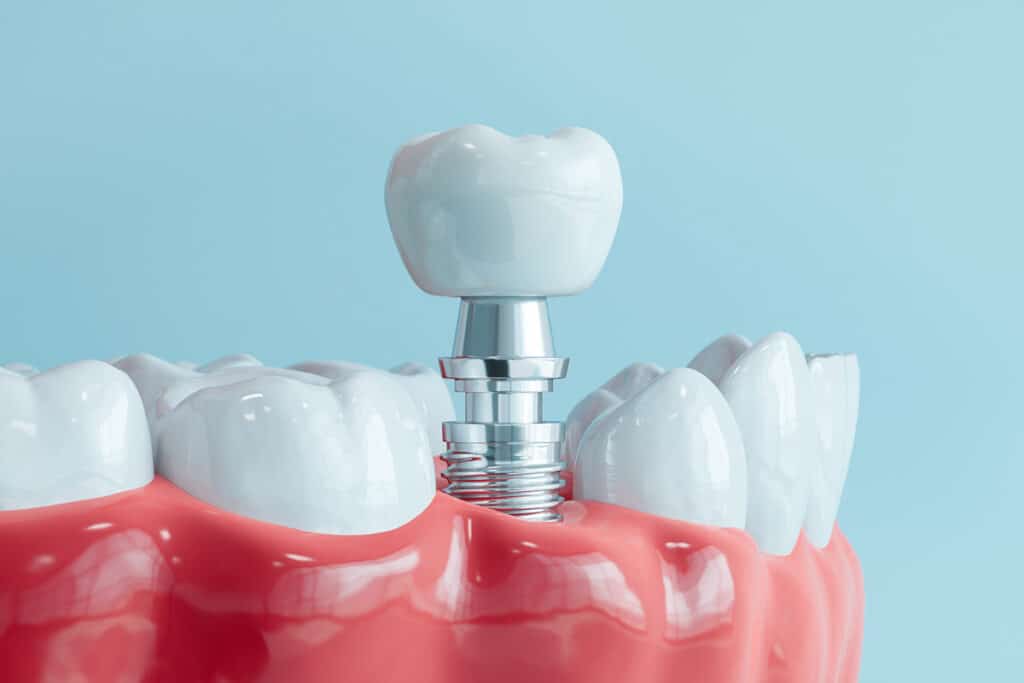
A single tooth implant often costs more upfront. An implant includes a titanium post, an abutment, and a custom crown, placed over several months. That higher starting price reflects a surgical procedure and a restoration built to stand on its own. So if you are looking only at day-one cost, the bridge usually wins. But the upfront number is only part of the picture, and we want you to see the rest.
Looking at Long-Term Value and Durability
Here is where the comparison gets interesting. A bridge typically lasts about 10 to 15 years before it needs replacement. That means you may pay for the procedure more than once over your lifetime. Each replacement adds cost and time, and the supporting teeth take on extra stress along the way.
A dental implant is built for the long haul. The post fuses with your jawbone and can last decades, often a lifetime, with proper care. The crown on top may need attention down the road, but the foundation usually stays put. We believe in helping you weigh value over the years, not just dollars on the first visit. When you spread the cost across the life of each option, the implant often becomes the more economical choice over time. It also protects your jawbone, since the post stimulates the bone the way a natural root would. A bridge does not offer that benefit, and bone loss can change the shape of your smile over the years.
Maintenance, Oral Health, and Candidacy
Daily care matters too, and it affects both your comfort and your wallet. A bridge requires special cleaning underneath the false tooth, often with floss threaders or small brushes. If food and bacteria build up, the supporting teeth can develop decay. An implant, on the other hand, brushes and flosses much like a natural tooth. We want you to feel at home with your routine, so the simpler care of an implant appeals to many of our patients.
There is also the question of candidacy, and this is where personal factors come in. An implant needs enough healthy jawbone to anchor the post. If you have experienced bone loss, you may need a bone graft first, which adds to the cost and timeline. A bridge can be a great fit when neighboring teeth already need crowns or when bone volume is limited. We treat every situation with care and respect, so we look at your health, your goals, and your budget together. Our team can explore your options for dental implants in Fort Collins and help you understand what each path means for you.
Choosing the Option That Fits Your Smile
So which one is more cost-effective? The honest answer depends on you. A bridge often makes sense when you want a lower upfront cost, a faster timeline, or when the neighboring teeth would benefit from crowns anyway. An implant tends to shine when you want the longest-lasting result, the strongest protection for your jawbone, and the simplest daily care.
We want you to feel confident, not pressured, so we lay out the trade-offs and let you decide. Both options can restore your smile and your bite beautifully. The right choice is the one that fits your health, your comfort, and your plans for the years ahead. When you are ready, we will sit down with you, answer every question, and build a plan that works for your life.
Frequently Asked Questions About Dental Implants
How long does a single tooth implant last?
With proper care, the implant post can last decades, often a lifetime. The crown on top may need replacement after many years, but the foundation usually stays strong. Daily brushing, flossing, and regular checkups help your implant last as long as possible.
Is a dental implant worth the higher upfront cost?
For many patients, yes. While the starting price is higher, the long lifespan often makes an implant more economical over time. It also protects your jawbone and requires simpler daily care, which adds value beyond the dollar amount.
Does getting an implant hurt?
We want you to feel comfortable, so we use local anesthesia during placement to keep the procedure pain-free. Most patients report mild soreness afterward, easily managed with over-the-counter relief. We will walk you through what to expect at every step.
Can anyone get a dental implant?
Most healthy adults are good candidates, but you need enough jawbone to support the post. If you have experienced bone loss, a bone graft may be needed first. We will review your health and take images to confirm the best option for you.
How do I care for my implant or bridge?
An implant brushes and flosses much like a natural tooth, which keeps your routine simple. A bridge needs extra cleaning underneath the false tooth using floss threaders or small brushes. We are always happy to show you the right technique during your visit.
We are Fort Collins Dental Center, a family-friendly practice proudly serving patients in Fort Collins and the surrounding communities. We treat every member of your family with compassion and respect, and we want you to feel at home in our no-pressure office. When you are ready, we invite you to schedule an appointment and let us help you find the right path to a healthy, confident smile.