
How Much Does a Dental Crown Cost in Fort Collins, CO?
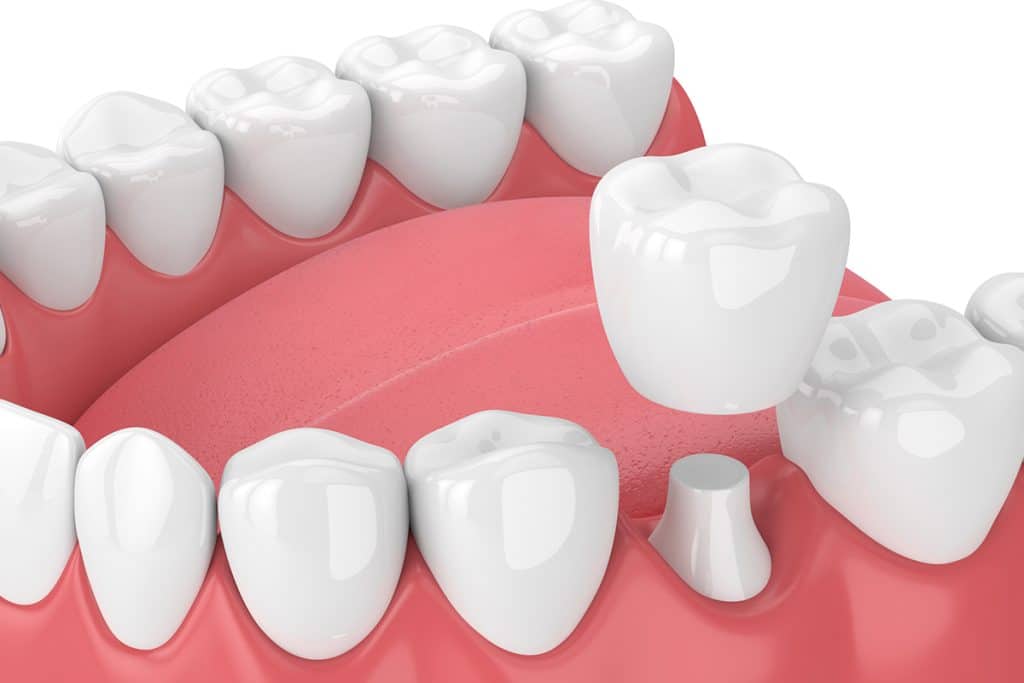
When a tooth becomes damaged, cracked, or severely decayed, finding the right solution quickly protects your oral health and prevents more extensive issues down the road. We know that anticipating dental work can sometimes feel overwhelming, especially when you are unsure about the financial investment required to restore your smile. If you are researching your options, you probably want to know what to expect regarding the total expense. Understanding the different elements that determine pricing can help you make a confident, informed decision about your oral care.
We believe in keeping our patients fully informed every step of the way, providing clarity on treatments and their associated costs. The price of a crown varies widely depending on several specific factors related to your unique dental needs. On average, patients can expect the total fee to range anywhere from $800 to $2,500 per tooth before insurance benefits are applied. Because every smile is different, we want to help you understand exactly what goes into providing high-quality dental crowns in Fort Collins, CO, ensuring you feel entirely comfortable with your customized treatment plan.
Key Factors That Influence Your Investment
The material you and your dentist choose for your restoration plays the most significant role in determining the final price. We offer several different materials to suit various needs, aesthetic preferences, and budgets. For example, all-porcelain or ceramic crowns look incredibly natural and blend seamlessly with your surrounding teeth, making them a highly popular choice for front teeth. These aesthetically pleasing materials often sit on the higher end of the price spectrum due to the advanced technology required to craft them. Alternatively, metal alloys and gold provide unparalleled durability for molars that handle heavy chewing forces, while porcelain-fused-to-metal offers a balance of strength and natural appearance at a mid-range price point.
Beyond the material itself, the complexity of your specific case also impacts the total cost of your visit. If a tooth has suffered extensive decay, we may need to perform a root canal or build up the core of the tooth before we can securely place the crown. These preliminary procedures require additional time and resources, which adds to the overall investment. Furthermore, the level of customization needed to match the precise shade and contour of your adjacent teeth requires careful artistry from our trusted dental laboratories. We always perform a thorough evaluation of your mouth to map out exactly which steps are necessary, providing you with a transparent cost breakdown before we begin any work.
Navigating Dental Insurance and Coverage
Understanding your dental insurance benefits can feel confusing, but our knowledgeable front office team is always here to help you maximize your coverage. Most traditional dental insurance plans consider a crown a major restorative procedure, especially if it is necessary to save a tooth from extraction or severe structural failure. In these medical necessity cases, insurance providers typically cover around 50% of the total cost, leaving you responsible for the remaining balance. However, if you want a crown placed purely for cosmetic reasons, your insurance carrier will likely classify the procedure as elective and may not provide any financial coverage.
We highly recommend reviewing your specific insurance policy details, including your annual maximums and deductibles, before scheduling your restorative procedure. Our staff will happily verify your benefits, file claims on your behalf, and provide a realistic estimate of your out-of-pocket expenses. If you do not have dental insurance or if your plan does not cover the full amount you expected, we offer various flexible financing options and payment plans. We firmly believe that financial concerns should never stand between you and a healthy, functional smile, so we work closely with you to find a solution that fits comfortably within your family's budget.
The Long-Term Value of Restoring Your Smile
While looking at the upfront cost of a dental restoration is completely natural, we encourage our patients to view this treatment as a long-term investment in their overall health. A well-placed, high-quality crown effectively saves a compromised tooth from requiring a complete extraction. If you lose a tooth and do not replace it, the surrounding teeth will eventually shift out of place, leading to bite alignment issues, jaw pain, and even further tooth loss. Replacing an extracted tooth with a dental implant or a bridge is significantly more complex, time-consuming, and expensive than protecting your natural tooth right now.
When you properly care for your restored tooth through daily brushing, routine flossing, and regular professional checkups, your new crown can easily last for a decade or even much longer. The durable materials we use are designed to withstand the daily pressures of speaking, biting, and chewing. By addressing structural damage promptly, you restore the full function of your bite and bring back the natural beauty of your smile. We take immense pride in crafting restorations that feel completely natural in your mouth, allowing you to enjoy your favorite foods and share your smile with the world without a second thought.
Protecting Your Oral Health Moving Forward
Taking the necessary steps to repair a damaged tooth shows a wonderful commitment to your long-term well-being. We understand that navigating the financial aspects of dental care requires clear communication, and our practice remains dedicated to providing straightforward, honest answers to all your pricing questions. By exploring the different materials available, understanding your insurance benefits, and recognizing the preventative value of restorative dentistry, you gain the power to make the best possible choice for your oral health.
Our experienced clinical team is excited to welcome you into our office to evaluate your smile and discuss your individualized treatment options. We will gladly sit down with you to review the health of your teeth, explain our recommendations, and outline the exact costs associated with your care. We look forward to providing you with a comfortable, stress-free experience that leaves you with a beautiful, resilient smile you can feel truly proud to share.
Frequently Asked Questions About Dental Crowns
How long does it take to get a new crown placed?
The process generally requires two separate appointments scheduled a few weeks apart. During your first visit, we gently prepare your tooth, take detailed impressions, and place a temporary covering to protect your tooth. We send your impressions to a specialized dental laboratory where skilled technicians custom-fabricate your permanent restoration. Once it arrives back at our office, you will return for your second appointment so we can permanently bond it into place and ensure a perfect fit.
Does getting a tooth prepared for a crown hurt?
Your comfort is our top priority, and we go to great lengths to ensure you feel entirely relaxed during your time in our chair. We use local anesthesia to completely numb the area surrounding the affected tooth before we begin any preparation work. You should not feel any sharp pain during the procedure, though you might experience a slight feeling of pressure. After the numbing wears off, you may have some mild sensitivity for a few days, which easily resolves with over-the-counter pain relievers.
How do I care for my temporary restoration?
While you wait for your permanent restoration, you must take a little extra care with your temporary one. We recommend avoiding incredibly sticky, chewy, or hard foods like caramel, chewing gum, or ice, as these can easily dislodge or break the temporary material. When you floss, gently pull the floss out horizontally from between your teeth rather than pulling it up, which can pop the temporary right off. If it does happen to fall off, please call our office immediately so we can quickly recement it.
Can a crowned tooth still get a cavity?
Yes, the natural tooth structure sitting underneath the edge of the restoration is still susceptible to bacterial decay. While the porcelain or metal material itself cannot decay, poor oral hygiene allows plaque to gather at the gumline where the tooth and the restoration meet. To prevent new cavities from forming, you must brush your teeth twice daily with fluoride toothpaste, floss carefully around the base of the tooth, and visit us for routine cleanings and exams.
When should I replace an older restoration?
Most high-quality restorations last anywhere from 10 to 15 years, and sometimes much longer with excellent home care. However, you might need a replacement if you notice the material has chipped, cracked, or become excessively worn down from teeth grinding. If you experience pain when chewing, sensitivity to hot and cold, or if you see a dark line forming near your gumline, we recommend scheduling an exam. We will thoroughly evaluate the area and let you know if a replacement is necessary to keep your smile healthy.
Welcome to Fort Collins Dental Center! Our dedicated team provides compassionate, comprehensive dental care to families throughout our wonderful community, focusing on clear communication and absolute patient comfort. If you are ready to restore your smile in a welcoming, no-pressure environment, please schedule an appointment with us today.